What Are the Major Uses of Stevia Sweeteners?
Stevia sweeteners have become versatile sugar alternatives - but which applications benefit most from their unique properties?
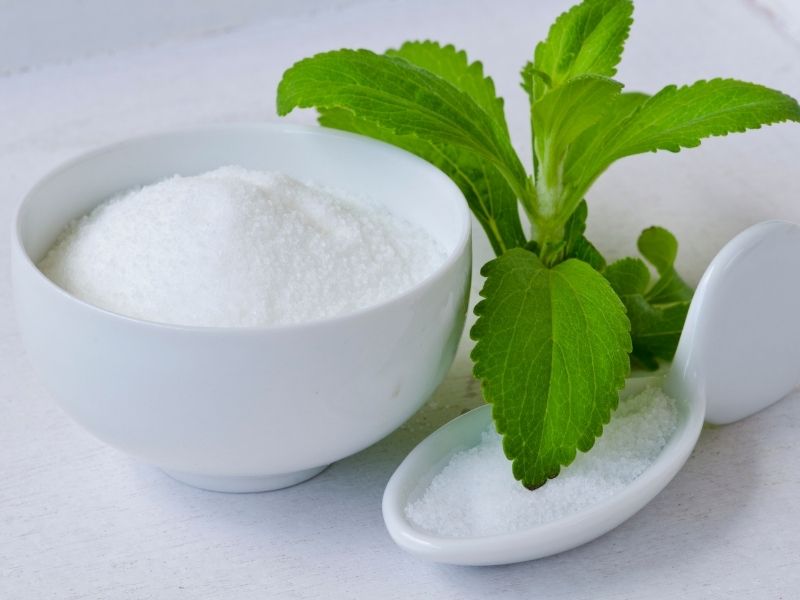
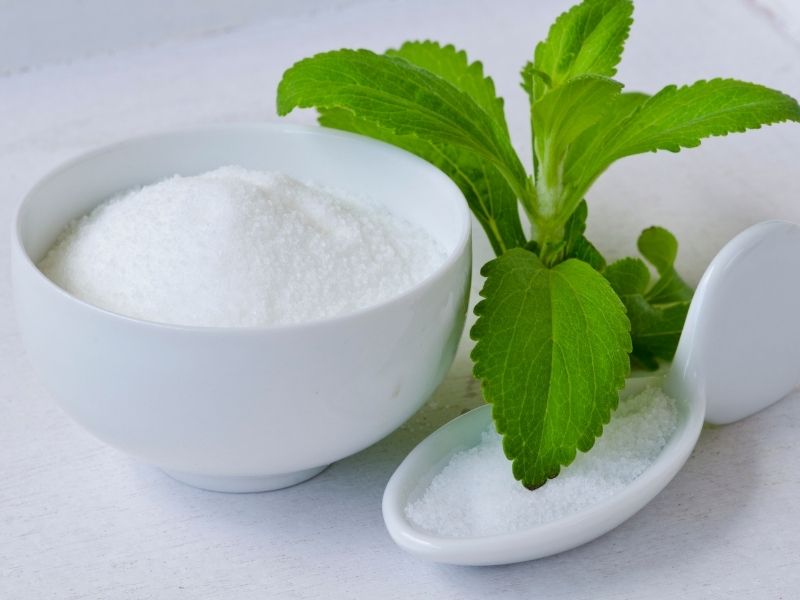
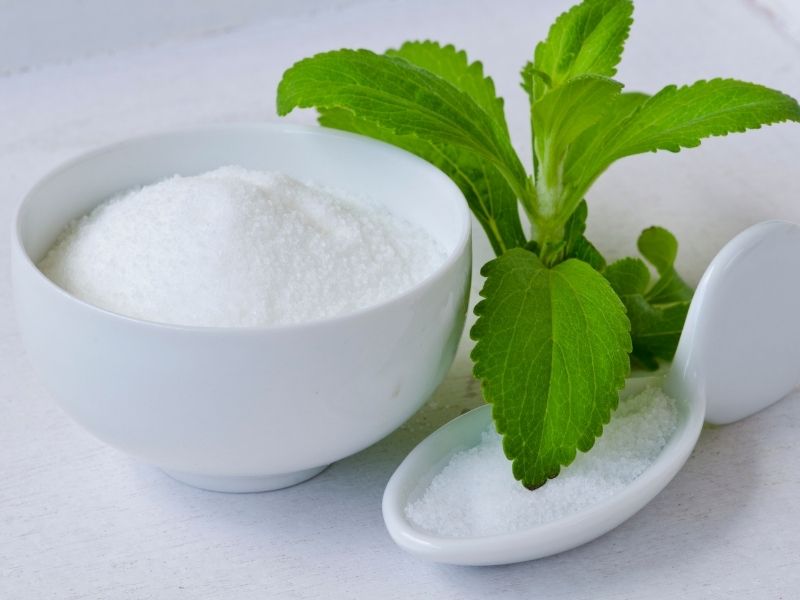
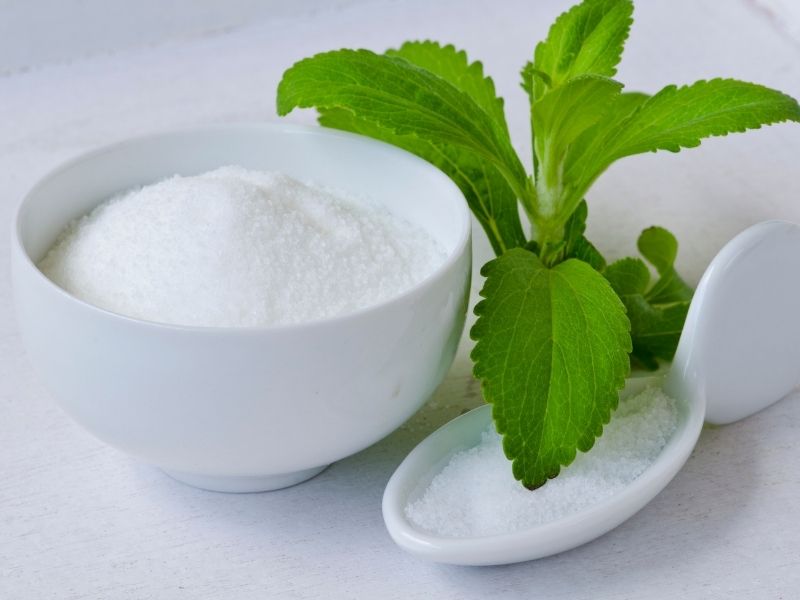
Stevia excels in beverages, baked goods, pharmaceuticals, and low-calorie foods due to its heat stability and zero glycemic impact. Our customized solutions serve these core markets with formulations that mask bitterness while maintaining sweetness.
From carbonated drinks to protein bars, different industries utilize stevia's advantages differently.
What Makes High-Quality Stevia Powder?
Not all stevia powders perform equally - what technical specifications guarantee premium quality?
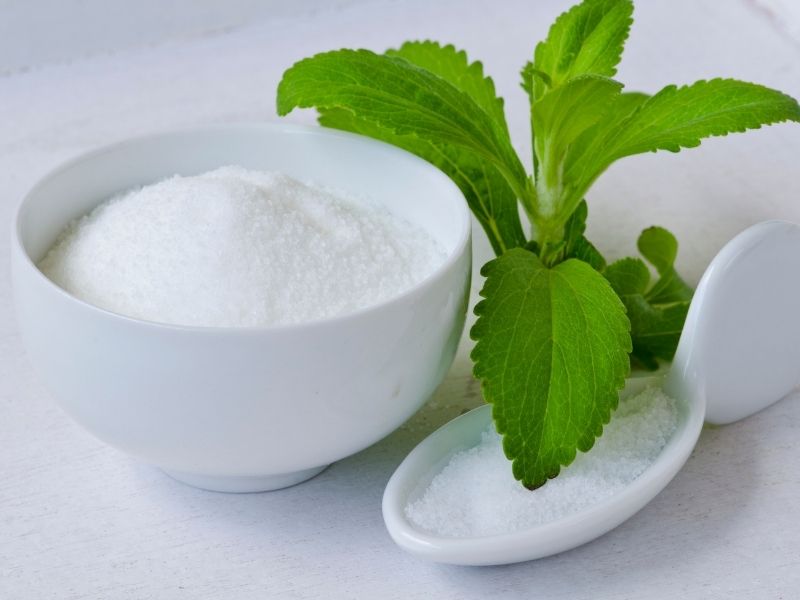
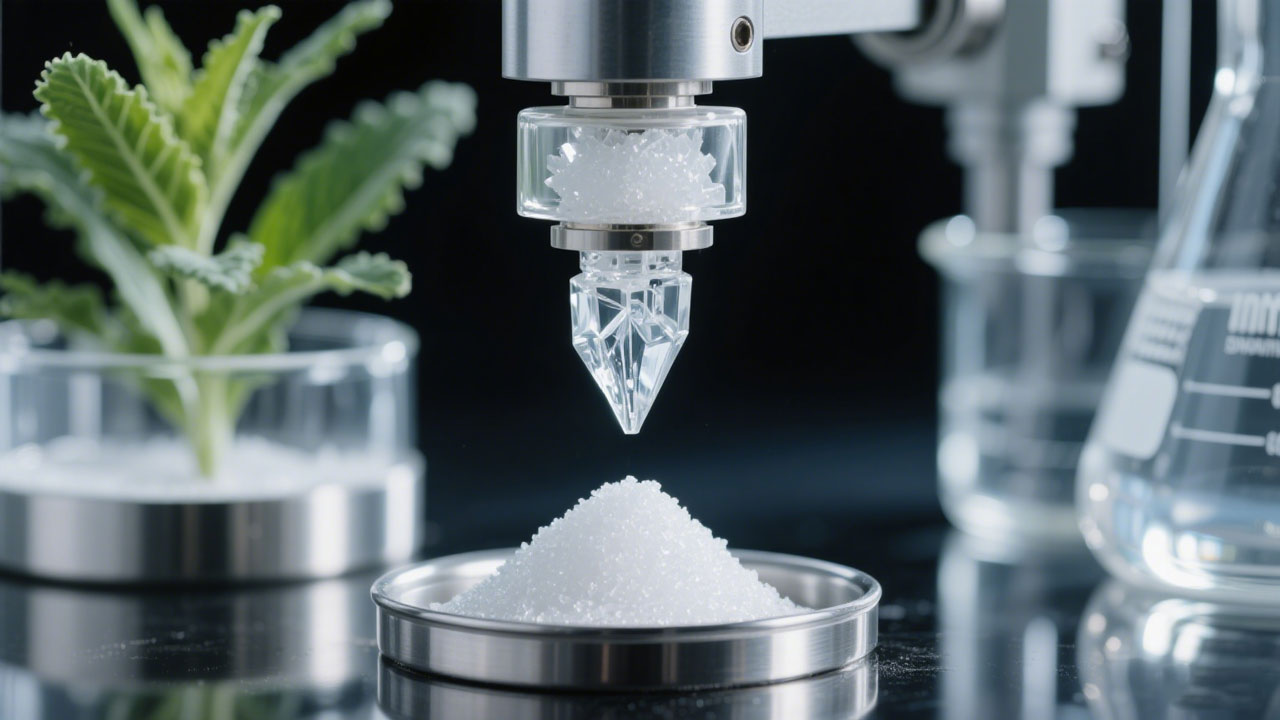
High-grade stevia powder requires ≥95% glycoside purity, consistent particle size (≤0.25mm), and validated microbial safety (<1000 CFU/g). Our five-stage membrane purification ensures these standards in every batch.
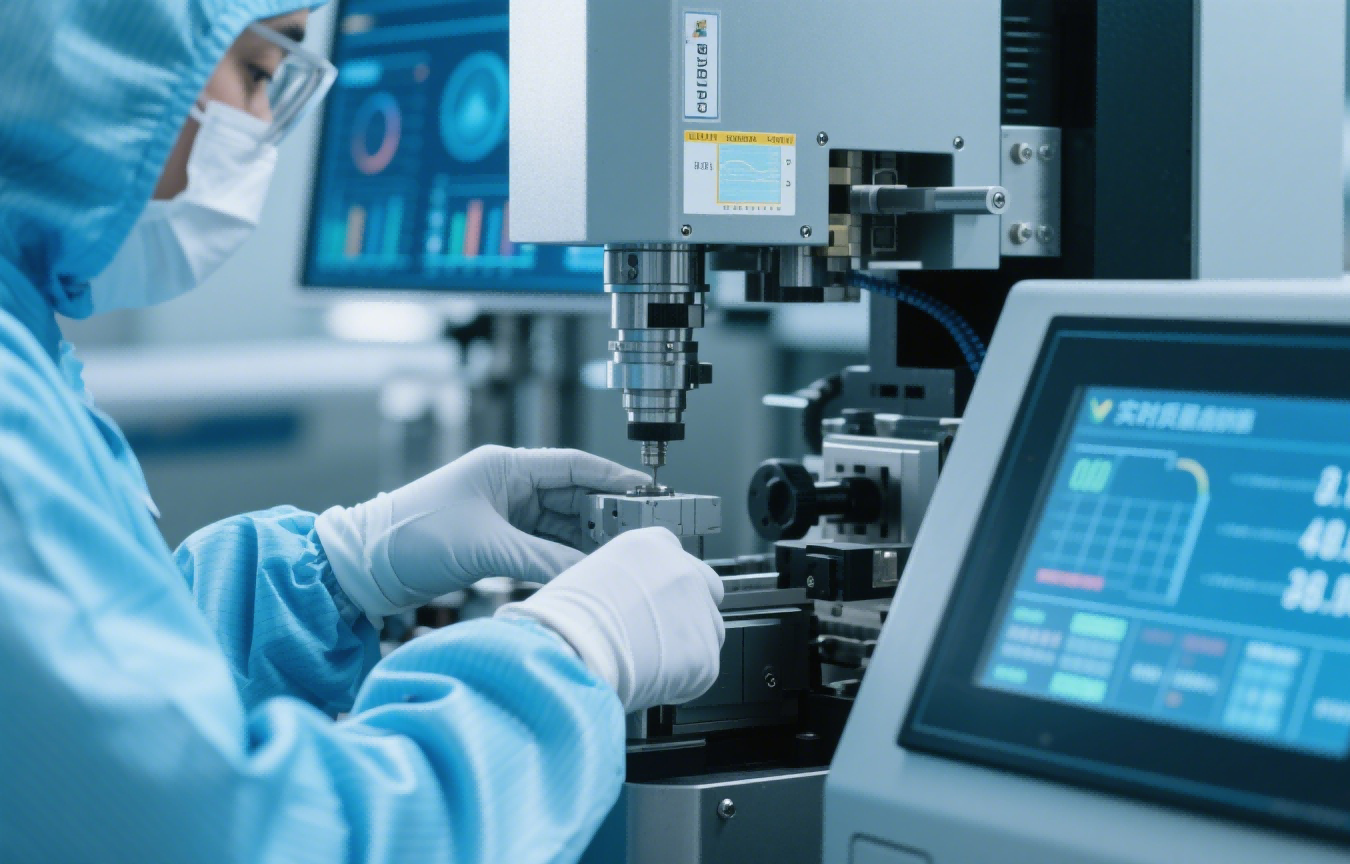
Quality Benchmark Table:
| Parameter | Premium Grade | Standard Grade | Test Method |
|---|
| Purity | ≥95% Reb A | 80-90% | HPLC |
| Solubility | Complete <40°C | Partial solubility | Visual test |
| Residuals | <50ppm solvents | Unverified | GC-MS |
| Consistency | ±1% batch variance | ±5% variance | QC protocols |
Our FSSC 22000 certification validates these rigorous standards.
What are the Different Types of Stevia Sweeteners?
Stevia products vary significantly - how do you choose between the different forms available?
Three main categories exist: single glycosides (Reb A/D/M), enzyme-modified derivatives, and blended formulations. We produce:
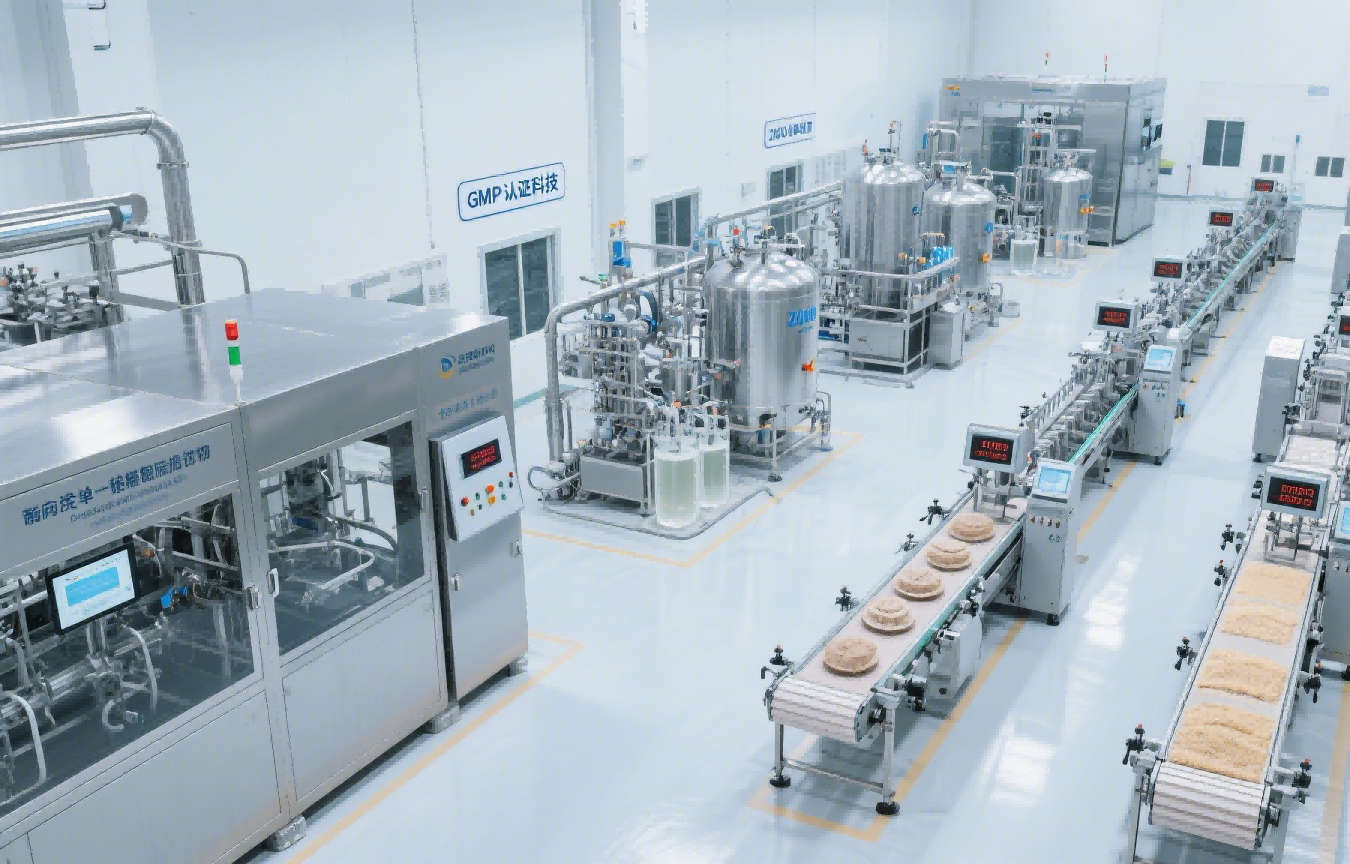
Product Type Comparison:
| Type | Characteristics | Best For | Our Output |
|---|
| Single Glycoside | 95-99% purity | Pharmaceutical uses | 200MT/year |
| Glucosylated | Enhanced solubility | Beverages | 200MT/year |
| Custom Blends | Masked bitterness | Baking | Multiple lines |
The directional enzyme technology in our production reduces bitterness by 60% compared to standard extracts.
What Are the Risks of Buying Low-Quality Stevia?
Cutting costs on stevia can backfire - what specific dangers accompany substandard products?
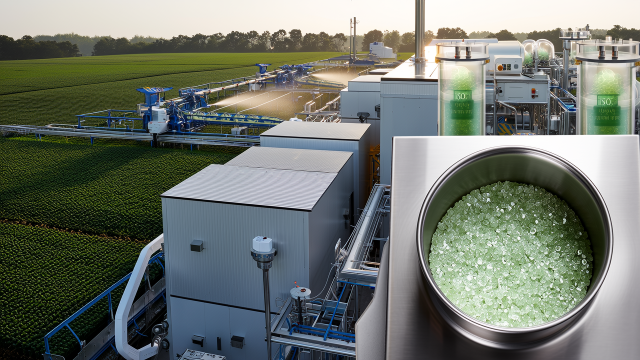
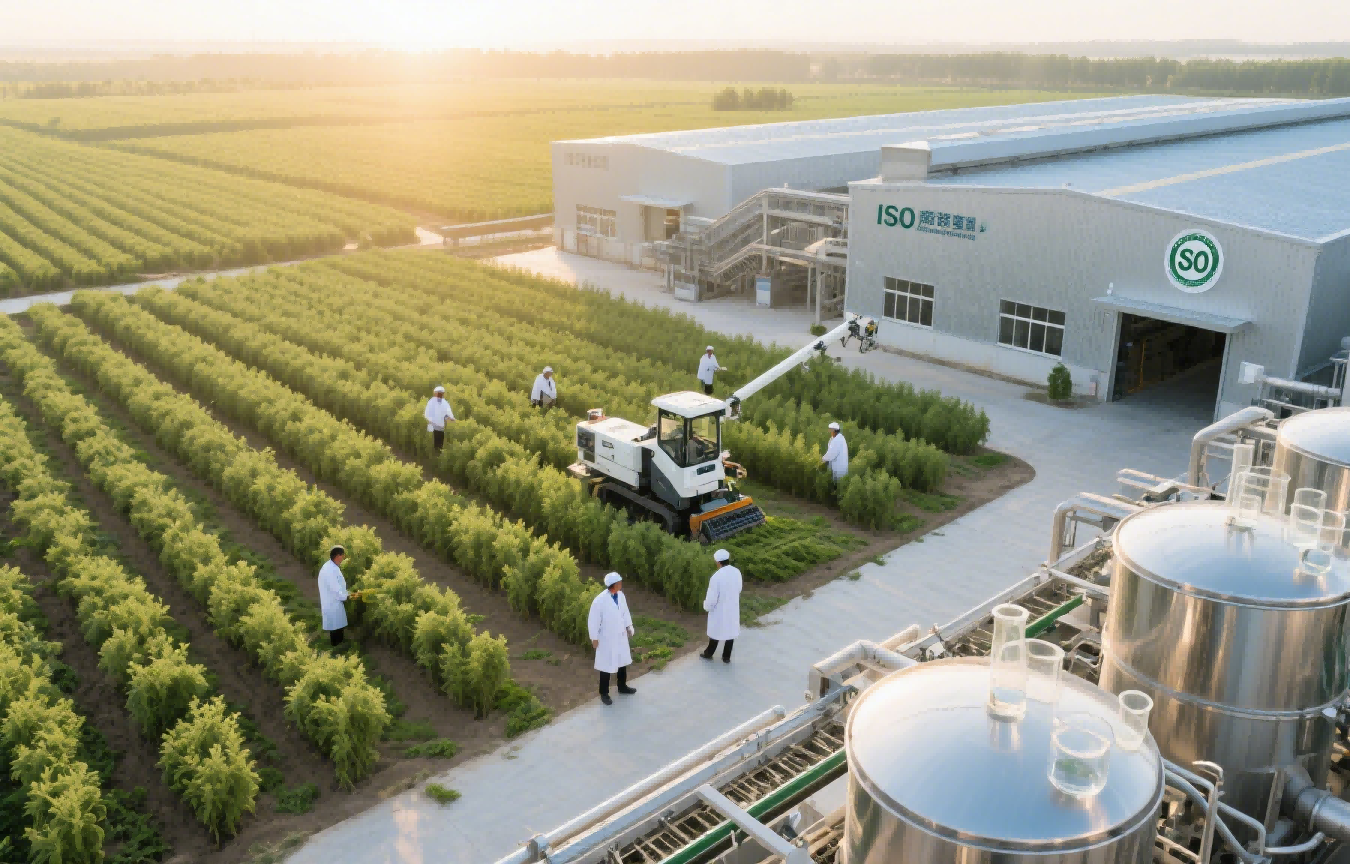
Impure stevia may contain pesticides, heavy metals, or microbial contaminants that violate food safety regulations. Our vertically integrated supply chain prevents these risks through:
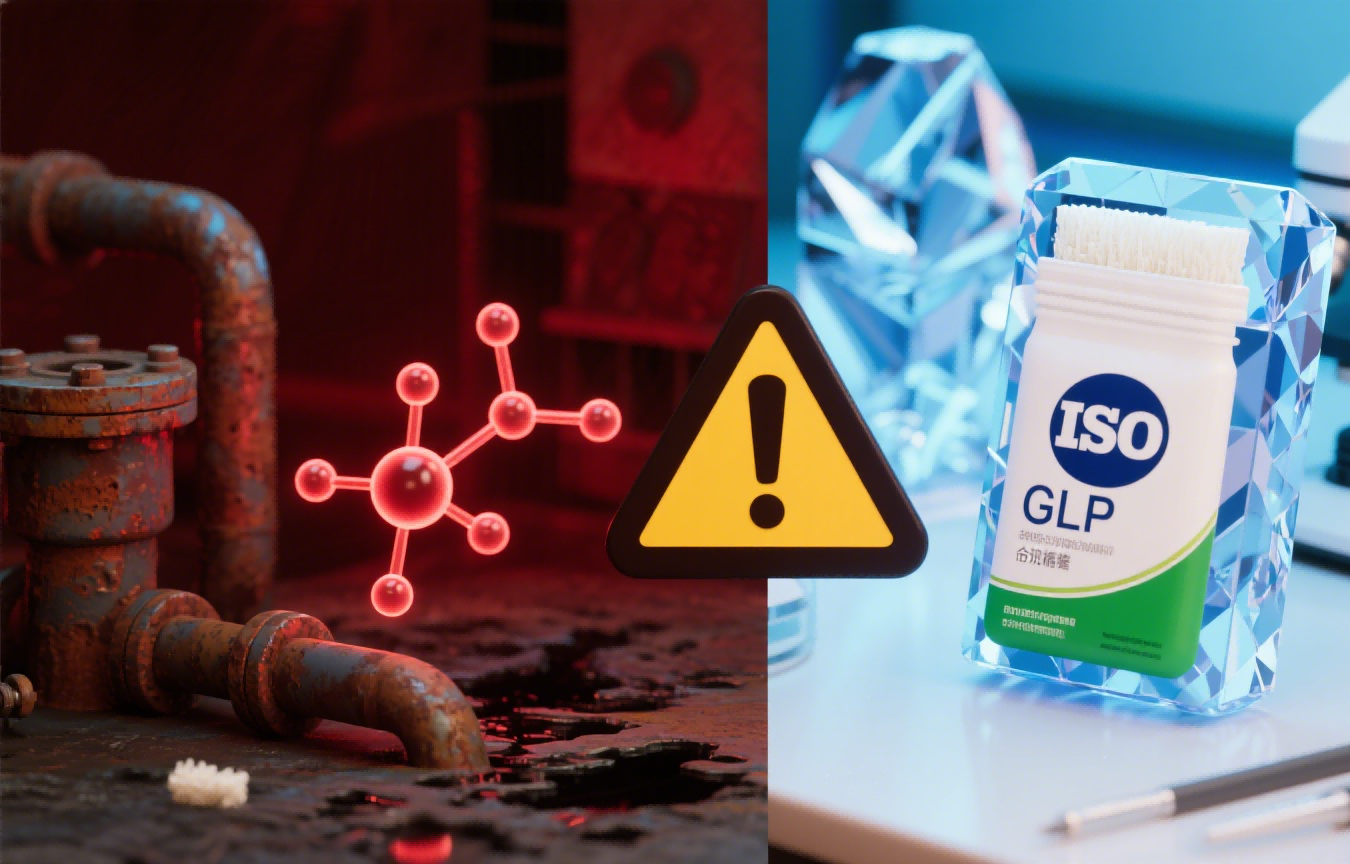
Risk Mitigation Approach:
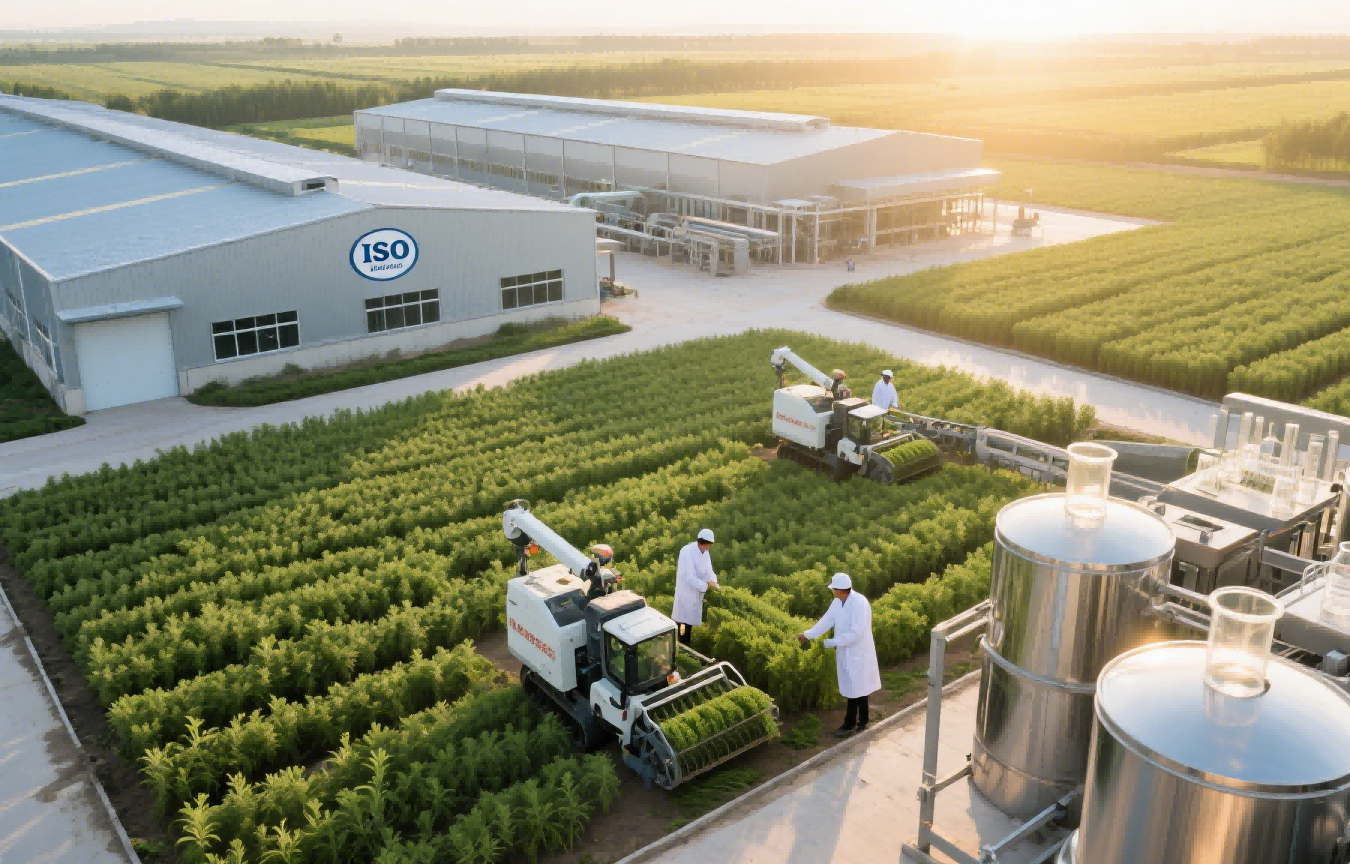
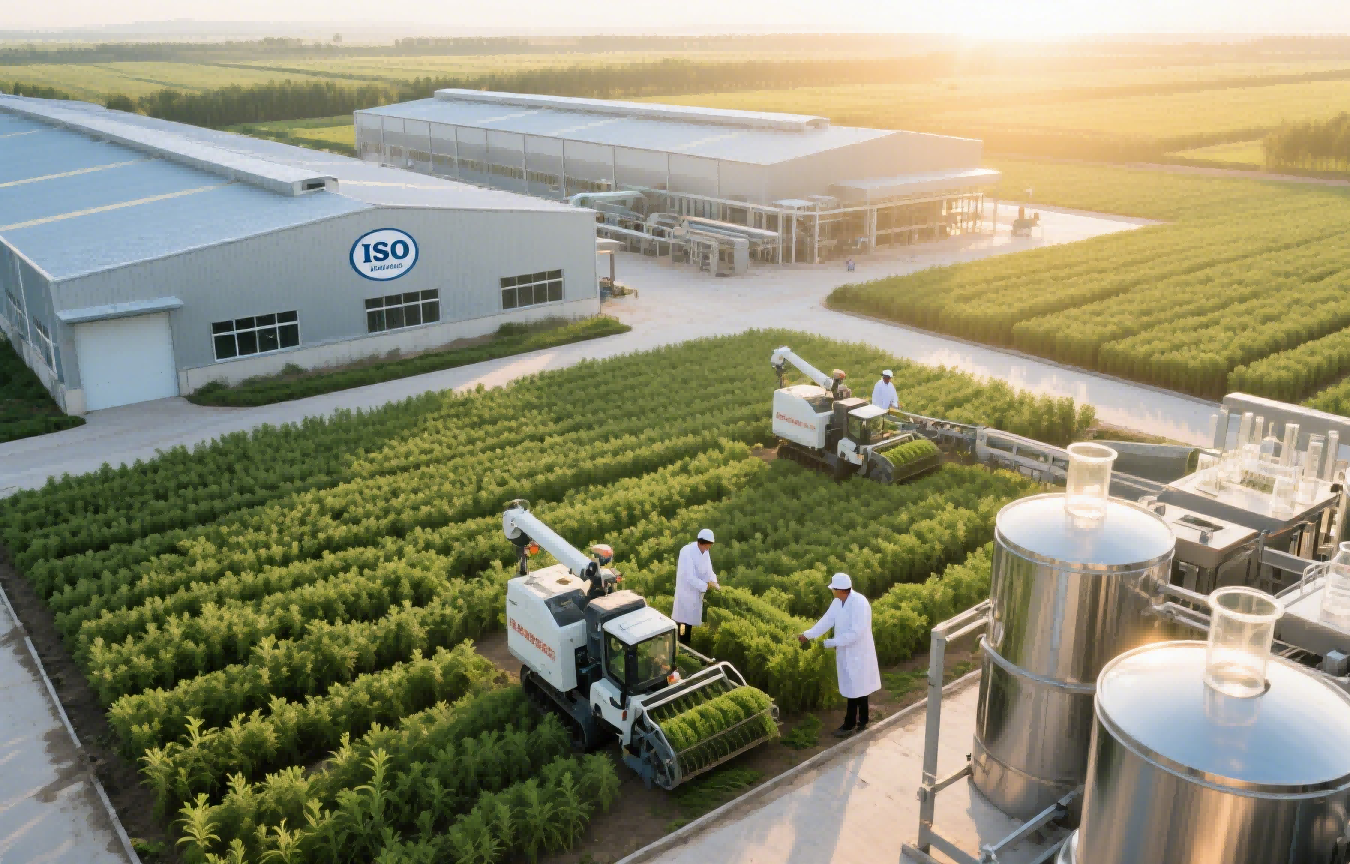
- 10,000 acres of certified plantations
- Seed-to-product blockchain tracking
- Five-stage purification removes 99.9% impurities
- Multiple sterilization processes
- 200+ quality checkpoints per batch
- Third-party validation reports
Buyers avoiding our FDA GRAS certified products risk 23% higher rejection rates at customs.
This article was published on June 25, 2025, and last updated on March 26, 2026. The article will be continuously updated.